
Hypotéka na novostavbu: Co potřebujete vědět o financování nového domu
When you're building a new home, a hypotéka na novostavbu, specifický typ úvěru určeného pro výstavbu domu na vlastním pozemku. Also known as stavební úvěr, it is fundamentally different from a standard mortgage for an existing apartment. It’s not just about buying a house—it’s about funding a process that can take months or even years, with payments released in stages as construction progresses. Many people think getting a loan for a new build is just like getting one for a flat, but it’s not. Banks look at your project differently: they check the building permit, the architectural plans, the builder’s reputation, and even the exact location of your plot. If any of these are shaky, your loan might get delayed—or denied.
That’s why you need to understand how stavební úvěr, finanční nástroj, který umožňuje postupné čerpání prostředků během výstavby works. Unlike a regular mortgage where you get all the money upfront, here the bank releases funds in phases—after the foundation is done, after the shell is built, after the roof is on. Each time, they send an inspector. If the work doesn’t match the plans, they hold back the next payment. You also need to show proof that you’ve saved at least 20% of the total cost yourself. Most banks won’t lend more than 80% of the estimated value of the finished house. And don’t forget: the land you’re building on must be in your name or already secured with a purchase agreement.
Another key player here is úroková sazba, cena, kterou platíte za půjčené peníze, a která se liší podle typu úvěru a vaší kvalifikace jako klienta. Fixed rates for new-build loans are often higher than for existing homes because banks see them as riskier. But if you’re patient and compare offers from five or six banks, you can find deals where the initial rate is locked for 5 or even 10 years. Some banks also offer lower rates if you take out insurance with them or if you have a steady job with a good income history. Don’t just pick the lowest advertised rate—check the fine print. Are there fees for early repayment? Do they charge for each disbursement? Is the rate truly fixed, or does it change after the first year?
You’ll also need to prepare a full set of documents: building permit, land registry extract, construction contract, detailed cost breakdown, your income statements, and sometimes even a letter from your employer confirming your job stability. Banks don’t just care about how much you earn—they care about how predictable your income is. Freelancers and self-employed people face tougher scrutiny, but it’s still possible. Just be ready to show several years of tax returns and bank statements.
And yes, the location matters. A plot in a small village might be cheaper, but some banks are hesitant to lend there because they think resale value is lower. Prague and Brno? No problem. But even in smaller towns, if the area has good infrastructure, schools, and transport links, your chances improve.
Below, you’ll find real guides that break down exactly how to navigate this process—what banks actually ask for, how to calculate your monthly payments before ground is even broken, and how to avoid the most common mistakes that cost people thousands. Whether you’re just starting to think about building or you’re already halfway through laying the foundation, there’s something here for you.
Jak funguje předschválená hypotéka u developera: Průvodce pro české zájemce o novostavby
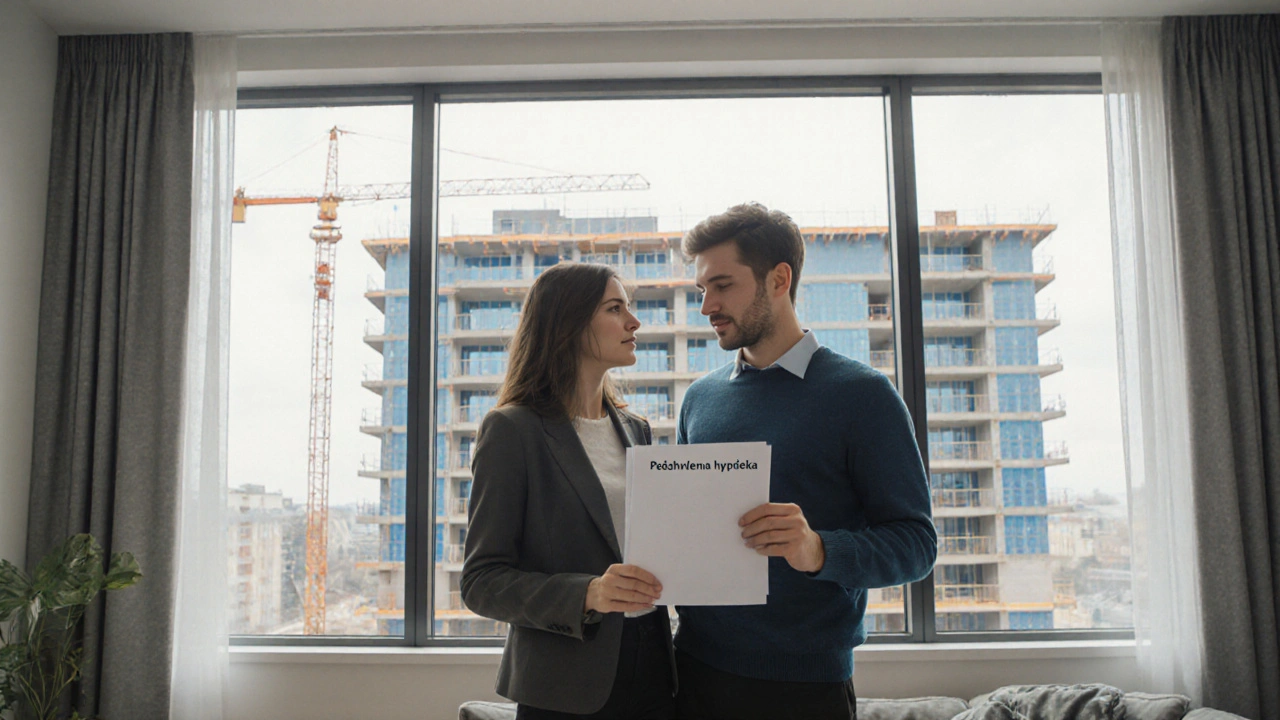
Předschválená hypotéka u developera ti dá jistotu, kolik ti banka půjčí, a umožní ti využít slevy na novostavbách. Zjisti, jak funguje, kde ji získat a jaké jsou rizika.
- říj 31, 2025
- Stepan Prucha
- 0